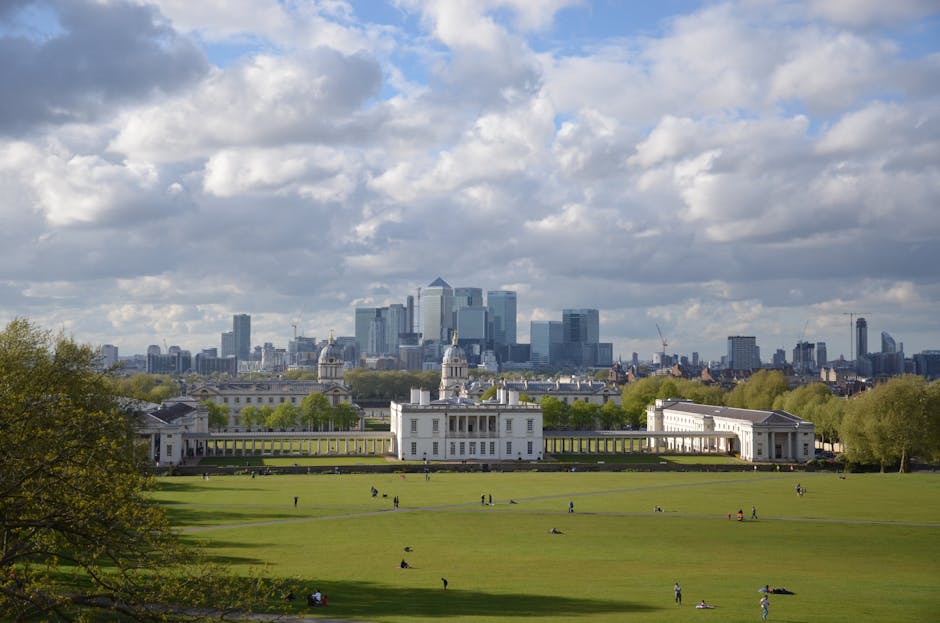
Jubilee Park roof garden gardeners for Canary Wharf flats

If you live in Canary Wharf, you already know the appeal of a rooftop garden: a bit of green above the glass, a place to breathe, and somewhere that feels calmer than the street below. But a roof garden is not the same as a ground-level plot. Wind, drainage, access, planting depth, and shared building rules all shape what can work. That is why Jubilee Park roof garden gardeners for Canary Wharf flats matter so much. They bring practical know-how to a space that needs more than general gardening advice.
In this guide, we look at what roof garden care actually involves, why it is different in a high-rise setting, and how to choose sensible maintenance routines for flats around Jubilee Park and the wider Canary Wharf area. You will also find a step-by-step approach, common mistakes to avoid, and a straightforward checklist you can use before hiring anyone or planning the next season's work. Nothing flashy. Just the things that tend to save time, money, and a fair bit of hassle.
For a broader view of the services often needed alongside roof garden care, you may also find the services overview useful, especially if your outdoor space needs more than basic upkeep.
Why Jubilee Park roof garden gardeners for Canary Wharf flats Matters
Roof gardens in Canary Wharf look easy from a distance. A few planters, a lawn chair, some lavender, job done. In reality, they are exposed environments. Wind can dry containers faster than you expect. Sun reflection from surrounding buildings can intensify heat. Rainwater needs somewhere to go, and if drainage is poor, even a lovely planting scheme can turn into a soggy mess. On the other hand, a well-managed roof garden adds genuine value to daily life. It gives residents a usable outdoor space, softens hard architecture, and makes a flat feel more lived-in.
Jubilee Park roof garden gardeners for Canary Wharf flats are important because they understand the difference between a decorative balcony pot display and a properly maintained communal or private rooftop landscape. That sounds obvious, but it is where many people trip up. The same plant that looks healthy in a sheltered courtyard may struggle badly on an exposed roof. Similarly, standard garden routines can fall short when access is restricted or when maintenance has to respect neighbours, residents, and building management schedules.
There is also the matter of consistency. Roof gardens do not fail all at once. They tend to slide a little, then a little more. A tray of standing water here, a patch of windburn there, a few weeds tucked behind a planter. Before long, the space starts looking tired. Regular care keeps those little issues from stacking up. Truth be told, that is usually where the real value lies.
In a place like Canary Wharf, where buildings often have tight management arrangements and shared outdoor areas, good roof garden care is as much about process as planting. The best gardeners are tidy, responsive, and able to work around access rules without turning the whole thing into an inconvenience for residents.
How Jubilee Park roof garden gardeners for Canary Wharf flats Works
The work usually starts with a proper site assessment. That means looking at the basics first: access, sunlight, wind exposure, drainage, irrigation, container condition, and the general health of the planting. If a gardener skips this and jumps straight to trimming and watering, you often end up fixing symptoms instead of the cause. Not ideal.
A roof garden service for flats typically includes routine tasks such as deadheading, pruning, feeding, weeding, leaf clearance, pest checks, and seasonal replacement planting. Depending on the space, it may also involve checking irrigation lines, topping up compost, refreshing mulch, and adjusting plant choices for the roof's conditions. In a high-rise setting, these details matter more than they might in a private garden at ground level.
The workflow is usually fairly structured:
- Inspect the site for hazards, weak points, and plant stress.
- Agree the maintenance scope with the resident, concierge, building manager, or managing agent.
- Carry out the gardening tasks in a way that suits roof access and building rules.
- Remove waste responsibly, because no one wants bags of cuttings sitting around a lift lobby.
- Review what needs attention next, so the garden stays on track rather than getting reactive care only.
In practice, a good gardener also thinks ahead. For example, if a planter is repeatedly drying out by mid-afternoon in July, the right answer may not be "water more" forever. It may be to switch the plant mix, improve the mulch, or adjust irrigation timing. Small changes like that can make a noticeable difference within a few weeks.
Where the space is part of a block of flats, communication is part of the service too. Residents may need notice of access times. Building teams may need public liability details, risk awareness, or confirmation of working methods. That is all fairly normal. A reliable provider will not make this feel like a drama.
Key Benefits and Practical Advantages
The obvious benefit is appearance. A cared-for roof garden simply looks better, and that matters in a development where first impressions carry weight. But the practical advantages go a lot further than looks.
- Healthier planting: Regular care prevents stress, overcrowding, and avoidable decline.
- Better use of space: A roof garden can feel larger and more inviting when plants are arranged and maintained properly.
- Reduced risk of damage: Catching drainage problems, broken pots, or unstable planters early can save money later.
- Less disruption for residents: Planned maintenance is calmer than emergency repairs after something has gone wrong.
- Improved seasonal interest: Thoughtful planting keeps the space attractive through changing weather.
- Higher everyday enjoyment: Residents are more likely to use a well-kept roof terrace, even for a short coffee or a quiet evening read.
There is also a subtle but important benefit: confidence. When a rooftop space is obviously looked after, people use it more naturally. They stop worrying about whether the planter edges are unstable or whether the whole thing looks neglected. That confidence changes how the space feels. It becomes part of the home rather than an ornament outside it.
For many flats, the biggest win is consistency. Not perfect. Just consistent. A roof garden that is tidy, balanced, and alive through the year will almost always feel more valuable than one that is overdesigned but ignored.
Who This Is For and When It Makes Sense
This kind of service is a strong fit for anyone responsible for a rooftop planting area in a Canary Wharf flat or apartment building. That includes private owners, tenants with landlord permission, concierge teams, property managers, managing agents, and resident associations. If the garden is shared, the need is even stronger, because shared spaces tend to drift unless someone owns the routine.
It makes sense if any of the following sound familiar:
- the plants look patchy, leggy, or sun-scorched
- water drains too slowly, or too quickly, from containers and beds
- the space looks good after a tidy-up, then slips again within weeks
- you are unsure what can safely be planted on a roof
- the building has access rules that make ad hoc DIY care awkward
- there is a desire to improve the space before summer, viewings, or resident events
It also makes sense when the garden is emotionally important but practically neglected. That happens quite a lot. A resident might love the idea of a roof garden but not have the time or confidence to care for it properly. In that case, getting a gardener involved is not indulgent. It is sensible.
If you are unsure whether the issue is maintenance or design, that is a useful question in itself. Sometimes the answer is routine care. Sometimes it is a redesign of containers, soil mix, or planting structure. A good professional should help you tell the difference, not push for a bigger job just because they can.
Step-by-Step Guidance
Here is a practical way to approach roof garden care for Canary Wharf flats without overcomplicating it.
1. Start with the site conditions
Before any planting or pruning decisions, assess the exposure. Is the roof windy? Is it south-facing and hot by lunchtime? Are there shaded corners beside parapets or taller structures? These details shape everything else. Plants chosen for a sheltered courtyard may flop or scorch on an exposed roof terrace.
2. Check drainage and containers
Standing water is a common problem in roof gardens. Make sure planters, trays, and drainage outlets are clear. If water sits around roots for too long, plants can weaken quickly. Equally, containers that dry out too fast may need larger volumes, better compost, or mulching.
3. Set a maintenance rhythm
Roof gardens usually need regular attention rather than occasional rescue jobs. The exact frequency depends on the planting and season, but a predictable rhythm is easier to manage. Weekly or fortnightly visits are often more effective than waiting until everything looks messy. In August, especially, things can change fast. One hot spell and suddenly the place is crispy around the edges. Classic London summer behaviour.
4. Prioritise the most vulnerable areas first
Edges, exposed corners, and lightweight containers often need the most care. These are the spots that dry out first, catch the most wind, or show signs of wear sooner. Start there, then move inward. It is a simple habit, but it saves a lot of patchwork later.
5. Keep a record of changes
A useful gardener does not just work and leave. They notice patterns. Which plants thrive? Which ones need replacement? Which corner always struggles after heavy rain? A basic record, even a simple notebook or maintenance log, helps you make better decisions across the year. Not glamorous, granted, but very useful.
6. Review the result after a few visits
After the first couple of maintenance sessions, step back and ask whether the space is improving. Are the plants recovering? Is the area easier to keep tidy? Do you still have the same waterlogging or dryness problems? If yes, you probably need to adjust the approach rather than just repeat it.
Expert Tips for Better Results
Small decisions make a big difference on roof gardens. That is the honest version. The dramatic version is that one wrong plant can turn into six months of fuss. The truth sits somewhere in the middle, but the details matter.
- Choose robust plants first. Wind-tolerant and drought-tolerant planting usually performs better than delicate, high-maintenance choices.
- Use mulch where suitable. It helps reduce evaporation and keeps roots a little more stable in hot weather.
- Do not overfeed containers. Too much fertiliser can push weak growth that becomes more prone to damage.
- Group plants by need. If sun-loving and shade-loving plants are mixed carelessly, one side of the arrangement tends to suffer.
- Work with the wind, not against it. Shelter planting, staking, and container placement matter more on a roof than most people think.
- Keep surfaces clear. Dead leaves and debris build up faster than expected and can make the space feel untidy even when the planting is good.
One practical trick is to think in layers. A roof garden often works best with structure at the back or edges, mid-height planting for softness, and lower planting or seasonal colour where people actually look and walk. It is a simple visual rule, but it tends to work.
And yes, sometimes the best expert tip is boring: do less, but do it more regularly. Not exactly glamorous, I know.
Common Mistakes to Avoid
Most roof garden problems are not dramatic disasters. They are small mistakes repeated over and over. That is why they are worth naming clearly.
- Choosing plants for looks only: A plant may look perfect in a brochure and still hate roof conditions.
- Ignoring drainage: Waterlogged containers can cause decline that looks like a disease problem when it is really a layout issue.
- Leaving maintenance until it is obvious: By the time the garden looks bad, the repair job is usually larger.
- Overloading the roof: Heavy pots, large water features, and overly dense structures should always be considered carefully.
- Forgetting shared-space etiquette: Loud work, poor timing, or messy waste handling can annoy residents quickly.
- Using the wrong tools for access: A roof garden is not the place to improvise with bulky gear if safe movement is tight.
Another common mistake is treating every issue as a gardening issue. Sometimes the real issue is access. Sometimes it is management approval. Sometimes it is a building maintenance matter, not a plant problem. Sorting that out early saves everyone time.
Let's face it, there is nothing more frustrating than spending money on fresh plants only to watch them struggle because the underlying conditions never changed. That one hurts a bit.
Tools, Resources and Recommendations
The right tools make roof garden maintenance cleaner and safer, especially in apartment settings where work space is limited.
| Area of need | Useful tool or resource | Why it helps |
|---|---|---|
| Routine maintenance | Hand pruners, gloves, lightweight trug | Useful for tidy, controlled work without clutter |
| Water management | Watering cans, drip irrigation checks, moisture awareness | Helps prevent both drying out and overwatering |
| Plant support | Soft ties, discreet stakes, wind-tolerant supports | Protects taller planting without making the terrace look messy |
| Surface care | Leaf rakes, brushes, waste bags | Keeps paths, corners, and edges looking clean |
| Planning | Simple seasonal maintenance notes | Makes it easier to track what works across the year |
For budgeting and planning, the page on pricing and quotes can help set expectations before you commit. If your roof garden is part of a broader outdoor project, the landscape gardening and landscaping pages may also be useful for understanding what sits alongside ongoing maintenance.
If sustainability matters to your building, there is also value in thinking about waste handling and reuse. In some cases, cuttings can be composted or recycled where appropriate, and the site's recycling and sustainability guidance is a sensible place to start.
Law, Compliance, Standards, or Best Practice
Roof garden work in flat developments often sits within a wider building management framework, so a careful approach is wise. The exact obligations vary by property, lease, and management arrangements, but a few principles are consistent.
First, access should be agreed in advance. Shared areas, lift use, and working hours all need to respect residents and building rules. That might sound basic, yet this is where avoidable friction often starts. Second, safety matters. Roof spaces can present fall risks, trip hazards, and manual handling challenges, so sensible working methods and risk awareness are essential. Third, waste removal should be managed properly, especially in communal settings where rubbish left behind causes complaints very quickly.
It is also sensible to use providers who can talk clearly about insurance and working practices. If you need reassurance around that side of things, the site's insurance and safety information and health and safety policy are worth reviewing. For general company policies, you can also check the terms and conditions and privacy policy.
Best practice in a Canary Wharf flat setting usually means clear communication, tidy work, appropriate equipment, and a maintenance plan that suits the roof rather than forcing the roof to suit the plan. That sounds simple because it is. The difficulty is in sticking to it.
Options, Methods, or Comparison Table
Not every roof garden needs the same level of care. Some are simple container spaces. Others are structured communal terraces with layered planting, access rules, and ongoing seasonal refreshes. Here is a straightforward comparison.
| Approach | Best for | Pros | Watch-outs |
|---|---|---|---|
| Occasional tidy-up | Very small, low-use roof gardens | Low cost, quick to arrange | Problems can build up between visits |
| Scheduled maintenance visits | Most Canary Wharf flats and shared terraces | Consistent, practical, easier to plan | Needs a regular budget and access coordination |
| Full seasonal management | High-use or more visible rooftop spaces | Best presentation and plant performance | More involved, so it must be properly scoped |
| Redesign plus maintenance | Problem gardens or tired planting schemes | Solves underlying issues rather than patching them | Usually a bigger upfront decision |
If your roof garden is struggling, maintenance alone may not be enough. A few spaces genuinely need a reset. In that case, combining care with upgrades such as better containers, changed planting, or improved structure can be the sensible move. For more specialised support with changing the look and function of a space, the pages on decking services and garden clearance may be relevant if you are starting from a messy or outdated setup.
Case Study or Real-World Example
Imagine a modest roof terrace on a Canary Wharf apartment block. It is not overgrown, exactly, but it feels tired. A few planters have patchy herbs, one corner is bare after a windy spell, and the planting closest to the edge keeps drying out by late afternoon. Residents still use it, but only briefly. Nobody lingers.
A sensible maintenance plan starts with a check of the containers and drainage, then a review of the plant mix. The herb section is fine in theory but too exposed in practice, so it is replaced with sturdier, wind-tolerant planting. Mulch is added where appropriate to help hold moisture. A broken planter liner is swapped out. Dead material is cleared, and the arrangement is simplified so it looks deliberate rather than crowded.
After a few visits, the space feels calmer. Not because it became extravagant. Because it became manageable. That is usually the turning point. A roof garden does not need to look like a magazine spread to be successful. It just needs to feel alive, tidy, and usable.
There was a small moment in the middle of the work where the morning wind picked up and sent a few leaves skittering across the terrace like they had other plans. Very London, really. But the job stayed on course because the maintenance plan matched the site, not the other way round. That is the difference.
Practical Checklist
Use this checklist before booking or planning roof garden work for Canary Wharf flats.
- Check whether the garden is private, shared, or part of a managed building.
- Confirm access arrangements, working hours, and any building restrictions.
- Look for signs of wind stress, drying, waterlogging, or pest issues.
- Inspect containers, liners, and drainage points for damage or blockages.
- Decide whether the issue is routine maintenance, a redesign, or both.
- Ask how waste will be removed and whether the area will be left tidy.
- Make sure the provider understands roof-specific safety and access concerns.
- Choose plants that suit the actual conditions, not just the look you want.
- Plan a maintenance rhythm that can be repeated through the seasons.
- Keep a note of what changes were made so you can review results later.
If you want broader help beyond the roof garden itself, the site's garden maintenance and lawn mowing pages may be useful for understanding how outdoor care is usually structured across a property.
Get a free quote today and see how much you can save.
Conclusion
Jubilee Park roof garden gardeners for Canary Wharf flats are not just there to keep things neat. They help protect a space that is exposed, highly visible, and often harder to manage than it first appears. In the right hands, a roof garden becomes one of the best parts of flat living: calm, practical, and genuinely pleasant to use.
The main thing to remember is simple. Roof gardens reward regular attention, realistic plant choices, and a clear plan. Get those right, and the space tends to settle into itself. A bit like the building does after the evening rush has passed and the terrace is quiet again. That quiet matters.
If you are weighing up whether your roof garden needs a light tidy, a regular maintenance schedule, or a more involved reset, the safest next step is to assess the space honestly and act before small issues grow. That is usually where the real savings are, and the real satisfaction too.
Frequently Asked Questions
What do Jubilee Park roof garden gardeners for Canary Wharf flats actually do?
They maintain rooftop planting areas in flats and apartment buildings, usually handling pruning, deadheading, weeding, feeding, seasonal planting, waste removal, and general upkeep. In some cases they also help identify drainage or access issues that affect the garden's performance.
How often does a roof garden need maintenance?
It depends on the size of the space, the planting style, and how exposed the roof is. Many roof gardens need regular visits rather than occasional clean-ups, because wind and heat can change conditions quickly. In summer, weekly or fortnightly attention is often more realistic than leaving it for long stretches.
Is roof garden maintenance different from normal garden maintenance?
Yes, quite a bit. Roof gardens usually have stronger wind exposure, drainage considerations, access restrictions, and weight limits for pots and features. Plants also face harsher conditions than they would at ground level, so the maintenance approach needs to be more considered.
Can a roof garden be low-maintenance?
It can be lower-maintenance, yes, but rarely maintenance-free. The trick is to choose hardy plants, use suitable containers, and keep a steady care routine. A low-maintenance roof garden still needs observation, especially after hot spells or windy weather.
What are the biggest risks for roof gardens in Canary Wharf flats?
Common risks include drying out, wind damage, drainage problems, unstable containers, and neglected seasonal care. In shared buildings, access and communication can also become an issue if maintenance is not planned properly.
How do I know if my roof garden needs redesign as well as maintenance?
If the same problems keep coming back despite regular care, the design may be part of the issue. For example, if certain planters always dry out or plants always fail in one corner, it may be time to rethink the layout, container size, or planting mix.
Are there special safety issues with roof garden work?
Yes. Roof work can involve slip risks, trip hazards, lifting concerns, and limited movement space. Good practice usually includes clear access arrangements, tidy working methods, and attention to building rules and safety procedures.
What should I ask before hiring a roof garden gardener?
Ask about experience with rooftop spaces, access arrangements, waste removal, insurance, and how they would handle seasonal changes. It is also sensible to ask what they would inspect first, because a thoughtful answer tells you a lot.
Can roof garden gardeners help with plant selection?
Yes, and they should. A good gardener will recommend plants that suit exposure, planter size, shade, and watering patterns. On a roof, plant selection is not just decorative. It is one of the main reasons a garden succeeds or fails.
Do communal roof gardens need different care from private ones?
Usually, yes. Communal gardens often need more scheduling, more communication, and more focus on tidy presentation because many people use them. They may also need a clearer maintenance log so everyone knows what has been done.
What if my roof garden has poor drainage?
That should be looked at promptly. Poor drainage can stress plants and create ongoing maintenance problems. Depending on the cause, the solution might involve clearing outlets, adjusting container setup, or changing the way water is managed across the space.
How do I budget for roof garden maintenance?
Budgeting depends on the size of the terrace, how often it needs care, and whether any repair or redesign work is required. For a clearer starting point, reviewing pricing guidance and getting a tailored quote is usually the most practical approach.
Is it worth maintaining a roof garden if it is small?
Usually, yes. Small roof gardens can be some of the most rewarding spaces in a flat, because even a compact terrace can add light, greenery, and a genuine sense of breathing room. The key is to keep the scale realistic and the care regular.