Gardening Canary Wharf: Recycling and Sustainability in the Heart of the Wharf
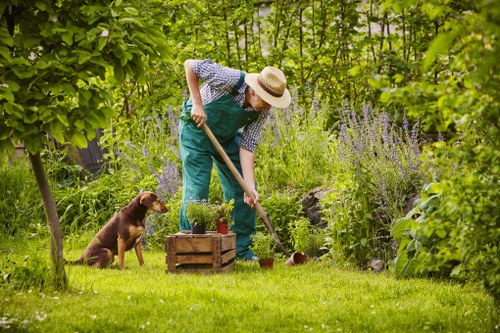 Gardening Canary Wharf is committed to an ambitious recycling and sustainability programme that supports an eco-friendly waste disposal area and a thriving sustainable rubbish gardening area. Our urban green spaces are managed to minimise landfill, maximise reuse of materials, and create circular systems for soil, plant waste and packaging. This page explains our targets, partnerships, and practical systems that support greener gardening across the estate and beyond.
We set a clear recycling percentage target for site operations: 70% diversion from landfill within two years, rising to 85% by 2030 through continuous improvement. That target covers organic waste, construction spoil, pots and planters, polythene and timber, as well as mixed dry recycling from events and maintenance activities. Our ambition is to make the Gardening Canary Wharf footprint exemplary for sustainable urban horticulture across central London and neighbouring boroughs.
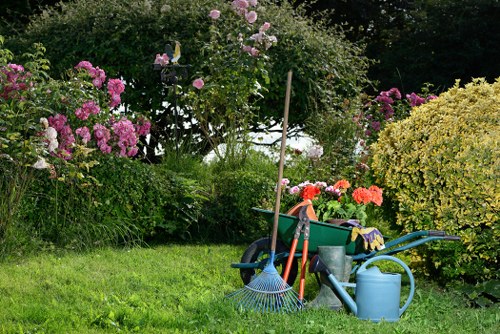
How our eco-friendly waste disposal area works
The eco-friendly waste disposal area is organised by material streams and follows the boroughs' approach to waste separation: separate food/garden organics, paper and card, glass, metal, rigid plastics, and residual waste. We operate colour-coded bays and clear signage so teams and contractors can sort at source. Materials are collected on a scheduled basis by our designated contractors and taken to local transfer stations and processing facilities in East London for further sorting and treatment.Local transfer stations and processing partners
We use nearby transfer stations and facilities that specialise in sustainable processing. Key local transfer stations include borough-managed depots and third-party facilities that feed into anaerobic digestion for food and green waste, and materials recovery facilities (MRFs) for mixed recycling. This localised logistics chain reduces vehicle miles and keeps materials within the regional circular economy. Our map of routes prioritises low-carbon collection and minimal handling to reduce contamination.To lower transport emissions we operate a fleet strategy focused on low-carbon vans, electric vehicles and e-cargo bikes for short runs across the Wharf. Our low-carbon vans are used for scheduled collections and moving compost, mulch, and reclaimed materials between sites and partner facilities. Charging infrastructure and route optimisation software further reduce energy use and emissions associated with maintenance activity.
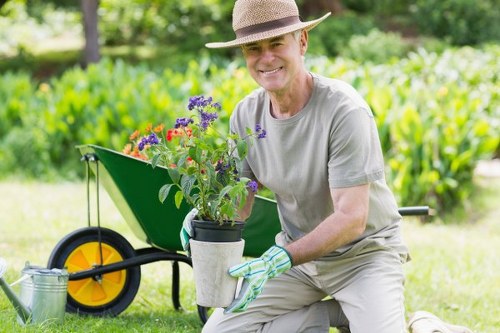 Practical recycling activities include segregating plant pots (hard plastic and terracotta), returning undamaged containers for reuse, composting green waste on-site where appropriate, and sending mixed green waste to accredited composting facilities. We also run periodic materials audits and contamination checks aligned with the boroughs' waste separation guidance to improve capture rates for paper, glass and cans from volunteer sessions and events.

Partnerships with charities and community groups
Gardening Canary Wharf collaborates with local charities and community organisations to extend the life of materials and support social value. We partner with environmental charities such as Groundwork and community food banks to donate surplus compost and container-grown plants. We also work with local allotment groups and training providers to provide reclaimed timber and planters for community projects, turning what would be waste into resources that benefit residents and trainees.Our approach includes formal agreements for redistribution of reusable items and scheduled charity pick-ups. These partnerships support social recycling: items that cannot be recycled industrially are repurposed, repaired or upcycled for educational projects. The combined social and environmental benefit is central to our vision for a sustainable rubbish gardening area that delivers community outcomes as well as ecological ones.

Operational standards, monitoring and next steps
We measure progress against KPIs and publish internal performance updates showing recycling capture rates, tonnenage diverted, and carbon reductions from our low-carbon vans and localised logistics. Our operational standards require waste segregation at source, weekly monitoring of the eco-friendly waste disposal area, and quarterly reviews with transfer station partners. Key actions for the next 12 months include expanding on-site composting trials, increasing reuse hubs for materials, and piloting RFID tagging for waste bins to improve data accuracy.What you can expect from our sustainable rubbish gardening area:
- Clear separation of organics and recyclables following borough guidance
- Regular collections to accredited local transfer stations to minimise haulage
- Use of low-carbon vans and active transport for short hops
- Partnerships with charities that receive surplus soil, plants and reusable materials
- Targets and transparent monitoring to reach a 70% recycling rate, progressing to 85%
By integrating an eco-friendly waste disposal area with community redistribution and low-emission logistics, Gardening Canary Wharf aims to model recycling and sustainability for urban landscapes. The combined focus on sustainable rubbish gardening area operations and partnerships enables high diversion rates, reduced embodied carbon in materials, and meaningful benefits for local communities.
We are constantly refining our systems in line with the evolving waste policies of Tower Hamlets and neighbouring boroughs, adapting to updates in kerbside separation, commercial recycling rules, and local processing capacities. Our commitment is practical: robust sorting, responsible transfer to local facilities, charity redistribution, and a low-carbon collection fleet that together make Gardening Canary Wharf a greener, more resilient urban garden network.